Best low-light herbs for apartment windowsills (2026)
Herbs that tolerate a dim or north-facing apartment window, plus when a small grow light is worth it.
What we’d put on the counter
Clip-on LED grow light
The simplest upgrade for a dim or north-facing sill
Check price at AmazonSmall herb pots with saucers
Keep each herb separate and protect the sill
Check price at Amazon24-hour outlet timer
Give supplemental light a consistent daily schedule
Check price at Amazon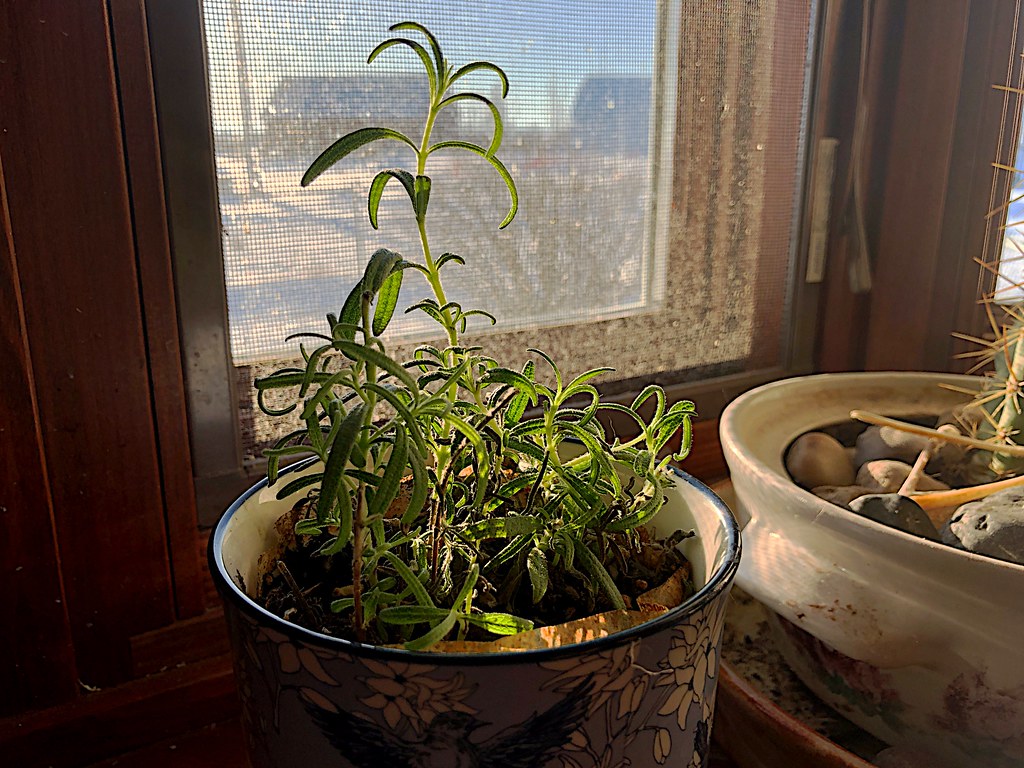
A dim apartment window can grow herbs, but it cannot grow every herb well. The best low-light herbs are plants that tolerate slower growth without stretching into weak, pale stems.
Quick answer
| Herb | Low-light fit | What to expect |
|---|---|---|
| Mint | Best | Slower growth, still forgiving |
| Chives | Best | Thin but usable leaves; cut often |
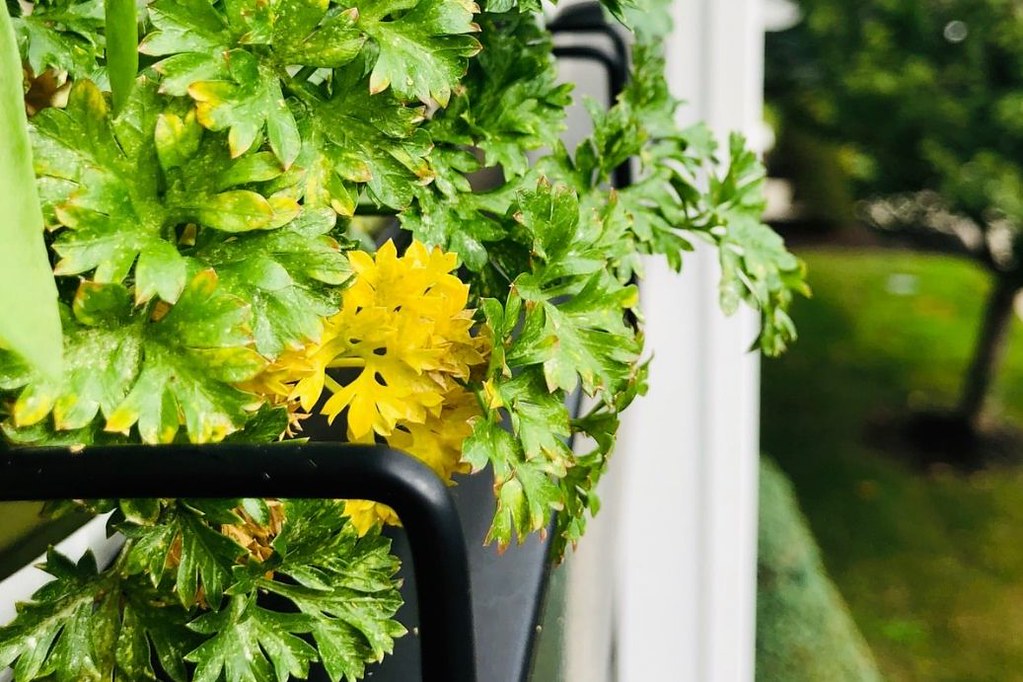
| Parsley | Good | Slow start, steady once established |
| Oregano | Good | Compact harvests; avoid wet soil |
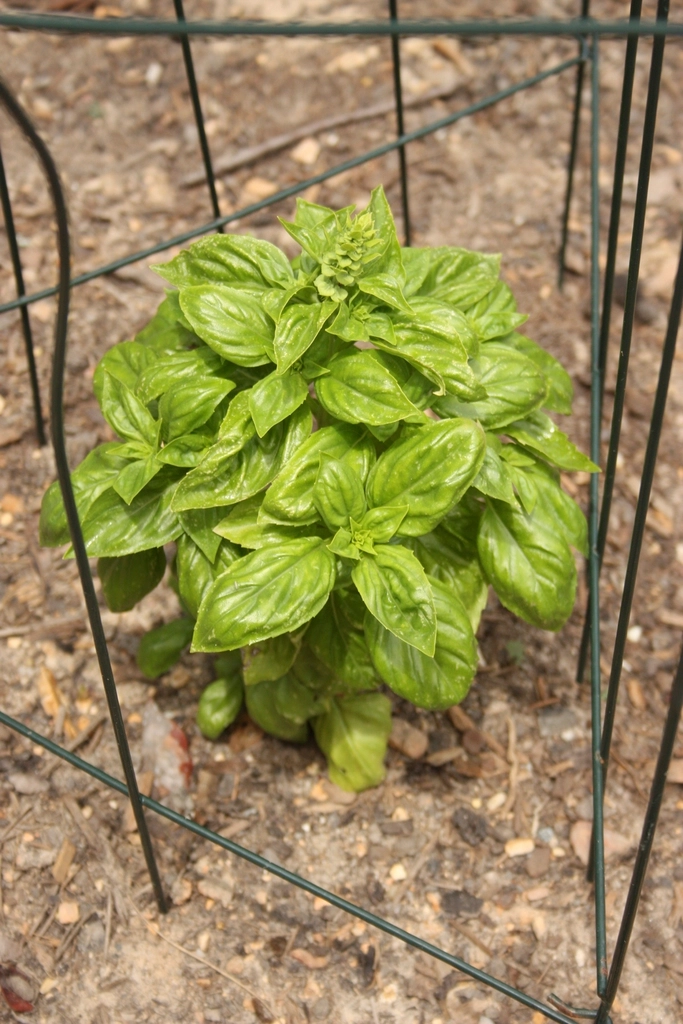
| Basil | Poor | Leggy without stronger light |
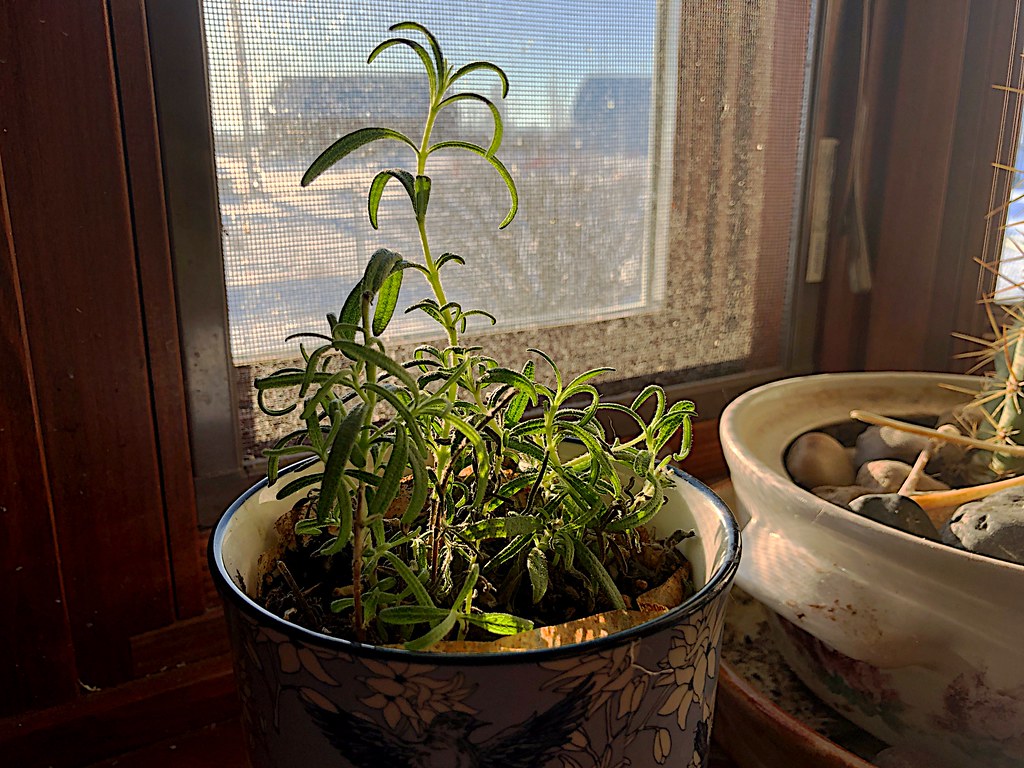
| Rosemary | Poor | Wants brighter light and more airflow |
If you mainly want basil, add a small LED rather than repeatedly replacing stretched plants.
What counts as low light?
A north-facing window, a window shaded by another building, or a sill where direct sun lasts less than about three hours is low light for productive herbs. A phone light-meter app can provide a rough comparison, but the plant gives the clearest signal:
- Long gaps between leaves: it is reaching for light.
- Pale new growth: light is too weak or roots are staying wet.
- Leaning hard toward the glass: rotate the pot, then add light if it continues.
- Soil stays wet for many days: growth is slow, so the plant uses less water.
The four best herbs for a dim apartment
Mint
Mint is the safest first choice. Keep it in its own pot because it spreads aggressively. Pinch the top leaves regularly so it branches instead of producing one long stem.
Chives
Chives accept weaker light better than most kitchen herbs. Cut leaves a little above the soil rather than removing only the tips. New growth will be slower in winter.
Parsley
Parsley germinates slowly, so buying a small starter plant is easier than starting seed. Keep the soil lightly moist, not soaked, and harvest outer stems first.
Oregano
Oregano tolerates a weaker sill if the roots are allowed to dry slightly between watering. Harvest lightly until the plant has enough branches to recover.

Herbs that usually need help
Basil wants warmth and strong light. In a dim window it becomes tall, sparse, and less flavorful. Rosemary also wants a bright position and good airflow; wet soil plus weak light is a common failure.
You can still grow either one by placing a clip-on LED about 6–12 inches above the leaves. Start around 14 hours per day and adjust based on the lamp instructions and plant response.
See the full grow-light schedule for kitchen herbs before adding a timer.
Simple no-kit setup
- Give each herb a 4–6 inch pot with a drainage hole.
- Put every pot on a saucer or waterproof tray.
- Use indoor potting mix, not dense outdoor soil.
- Group plants near the brightest window but leave space for airflow.
- Rotate pots a quarter turn every few days.
- Water only after checking the top inch of soil.
When a grow light is worth it
Add a light when the herbs are visibly stretching, the window receives almost no direct sun, or basil is the herb you actually want to harvest. A basic clip light is cheaper than replacing several rounds of seedlings.
If you want built-in lighting and less watering work, compare the best countertop gardens for apartments. If you prefer pots, continue with windowsill herbs without a hydro kit.
Key takeaway Weak light changes the herb list, not the goal. Start with mint, chives, parsley, and oregano; add a small timed LED before trying to force basil or rosemary through a dim winter.
Related
- Windowsill herbs without a hydro kit
- Grow-light schedules for kitchen herbs
- Landlord-safe indoor garden setup
FAQ
Herbs that can grow indoors with low light?
For “herbs that can grow indoors with low light”, match the setup to your light, noise tolerance, and landlord rules — not brand hype. Start small and upgrade after one successful harvest.